Navigating the Synchronization Between Verification Checkpoints and Layered Reward Eligibility in Multi-Jurisdictional Gaming Platforms
Harper Krause · Oct 8, 2026
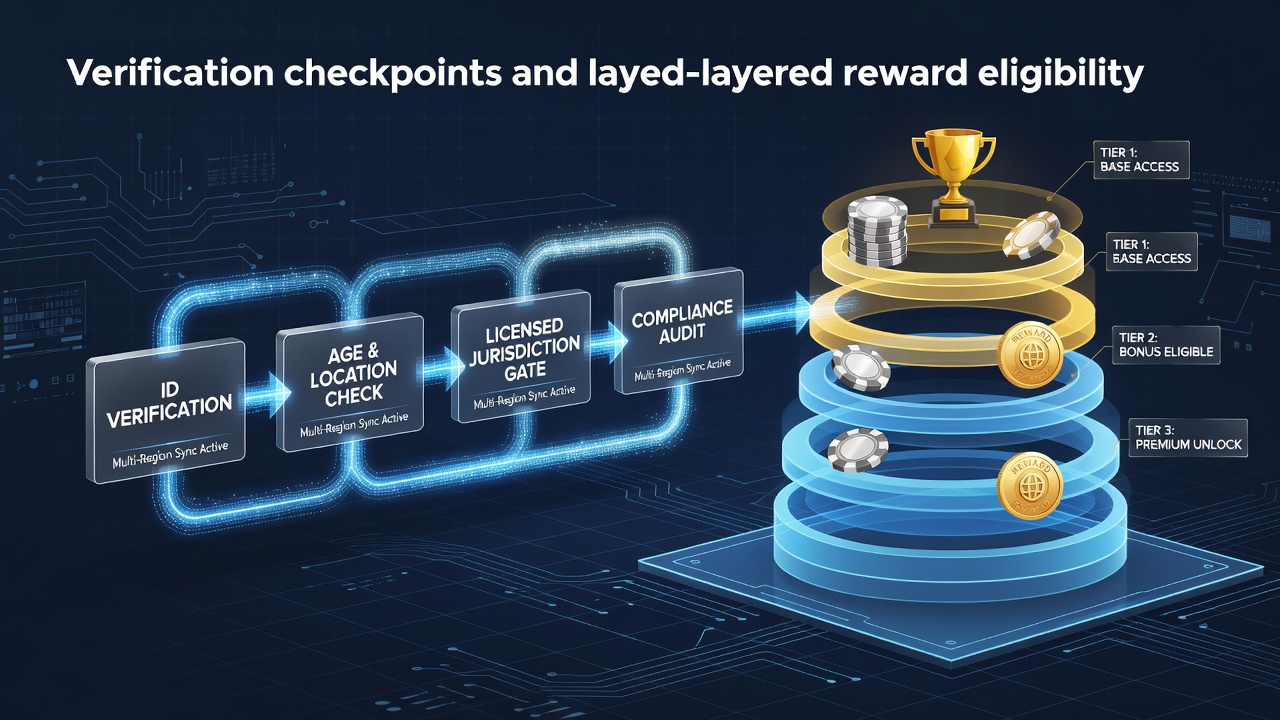
Navigating the Synchronization Between Verification Checkpoints and Layered Reward Eligibility in Multi-Jurisdictional Gaming Platforms
Multi-jurisdictional gaming platforms coordinate verification checkpoints with layered reward systems to meet regulatory demands while unlocking player incentives, and this coordination requires precise timing across different legal frameworks. Verification checkpoints typically include initial registration checks, ongoing identity confirmation, and periodic compliance reviews that align with local statutes in regions such as the European Union, North America, and Australia. Layered reward eligibility adds another dimension because welcome offers, loyalty tiers, and progressive bonuses each carry distinct activation requirements tied to verified status.
Core Components of Verification Checkpoints
Platforms implement verification at multiple stages to satisfy varying rules on player age, location, and financial activity, and these stages often trigger before any reward can activate. Initial sign-up processes collect basic details that undergo automated screening, after which operators request government-issued identification and proof of address to complete the first checkpoint. Subsequent layers may involve source-of-funds declarations or enhanced due diligence for higher-volume accounts, and data from industry reports indicates that these steps reduce discrepancies between jurisdictions where one region mandates real-time address validation while another accepts periodic updates.
Observers note that synchronization becomes essential when a player moves between markets because eligibility for a loyalty bonus in one jurisdiction might depend on verification completed under stricter standards elsewhere. Research from academic studies on cross-border compliance shows operators track verification timestamps against reward cycles to prevent premature activation that could violate local rules.
Structure of Layered Reward Eligibility
Reward programs divide into tiers where each level demands specific conditions such as deposit thresholds, play volume, or verified account duration, and platforms map these conditions to verification checkpoints to maintain consistency. A base welcome package might unlock after basic identity confirmation, whereas higher loyalty tiers require ongoing checks that confirm continued eligibility under evolving regulations. According to data compiled by the Canadian Gaming Association, operators report that misalignment between these layers leads to delayed payouts or account holds, particularly when a player qualifies in one market but faces pending verification in another.
Operational Challenges Across Jurisdictions
Platforms face differing timelines for verification acceptance and reward release because rules in the United States vary by state while European directives emphasize consumer protection standards that influence bonus structures. One operator handling accounts in both Australia and select EU member states discovered that reward stacking rules required separate verification flags for each region, and this separation prevented cross-market activation errors. Figures from regulatory summaries reveal that platforms investing in unified compliance dashboards reduced processing delays by aligning checkpoint data with reward eligibility engines in real time.
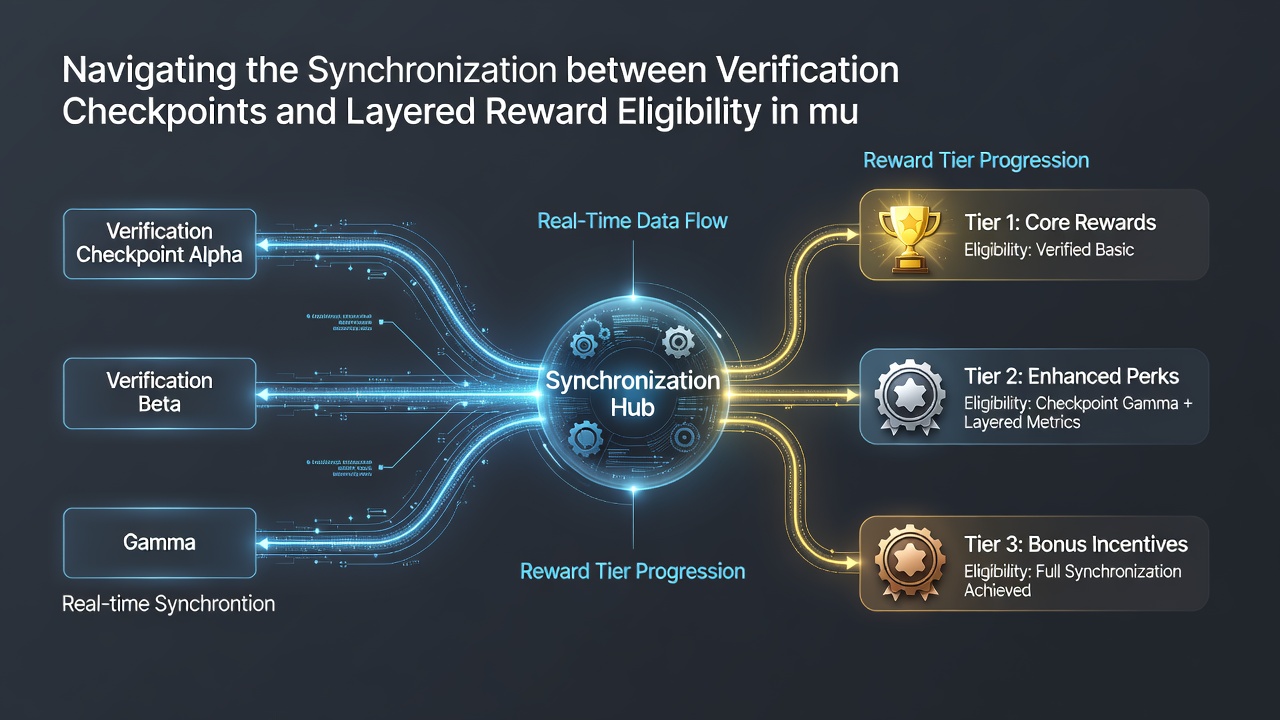
In October 2026 several platforms rolled out updated synchronization protocols following guidance from international bodies that emphasized consistent data handling across borders. These updates allowed operators to flag verification status once and apply it to multiple reward layers without redundant checks, yet each jurisdiction retained authority to impose additional requirements when needed.
Strategies for Effective Synchronization
Operators deploy centralized databases that log verification events and link them directly to reward management systems, and this linkage ensures a completed checkpoint in one region can satisfy eligibility criteria in compatible markets. Automated workflows trigger notifications when a player approaches a new reward tier, prompting any outstanding verification steps before activation occurs. A report issued by the New Jersey Division of Gaming Enforcement highlights how such systems lowered compliance incidents by integrating location-based rules into the same platform that manages bonus eligibility.
Those who have examined platform architectures find that API connections between verification providers and reward engines support dynamic adjustments when regulations shift, and this approach avoids manual reconciliation that previously caused reward holds. Experts have observed that training staff on jurisdiction-specific triggers further improves synchronization because manual oversight catches edge cases automated systems might overlook during high-volume periods.
Conclusion
Effective navigation of verification checkpoints and layered reward eligibility demands integrated systems that respect each jurisdiction's requirements while delivering consistent player experiences. Platforms that maintain accurate timestamp records and flexible eligibility engines continue to meet regulatory expectations across multiple markets. Ongoing refinements in data handling and checkpoint alignment support smoother operations as regulatory landscapes evolve.