Exploring Conditional Clauses in Casino Promotions That Determine Reward Accessibility for New Registrants
Harper Krause · Nov 19, 2026
Exploring Conditional Clauses in Casino Promotions That Determine Reward Accessibility for New Registrants
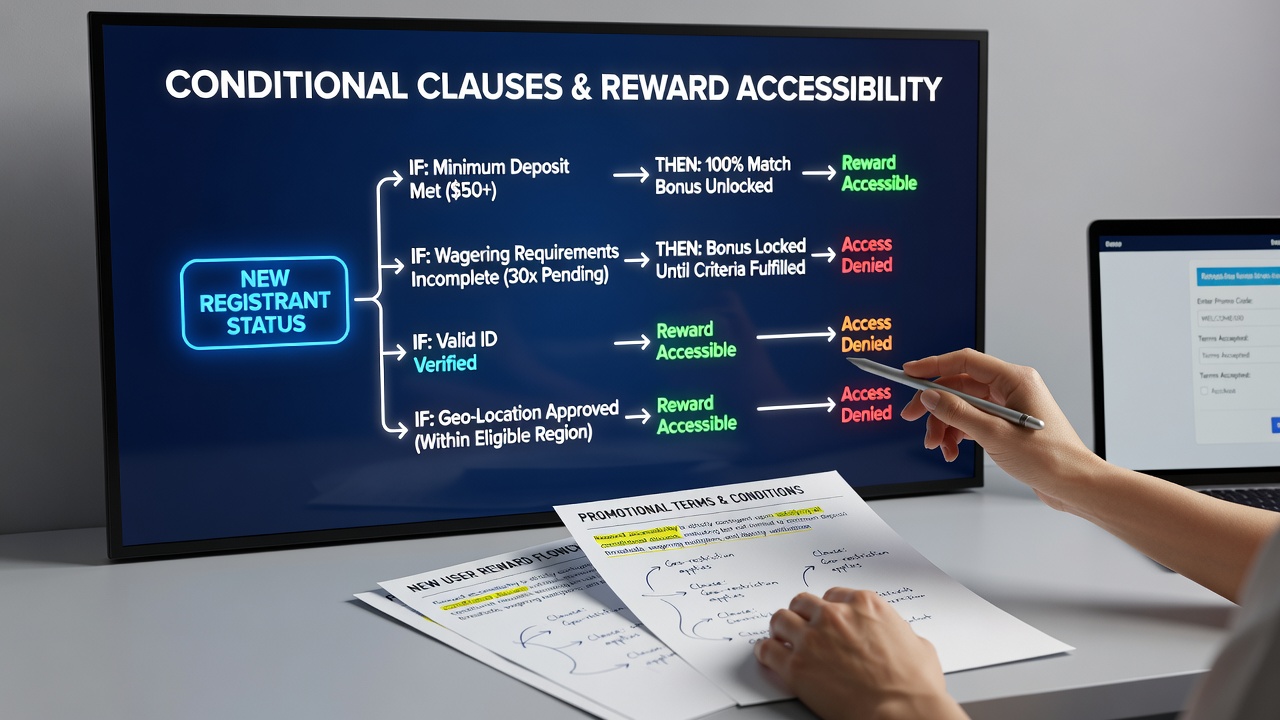
Conditional clauses shape how new registrants gain access to rewards across online casino platforms, and these provisions often include wagering multipliers, deposit thresholds, and verification steps that filter eligibility. Observers note that such clauses create structured pathways where players must meet specific criteria before funds or spins become withdrawable, and data from regulatory filings shows these rules vary by jurisdiction and operator.
Many promotions tie reward access to minimum deposit amounts combined with time-bound activation windows, while others layer game-type restrictions that exclude certain slots or table games from contribution toward requirements. Researchers have documented how these elements intersect with geographic limitations, meaning registrants in restricted regions encounter automatic disqualifications even after completing initial signup steps.
Core Components of Conditional Structures
Wagering requirements stand as one of the most common conditional elements, and they typically demand that players stake a multiple of the bonus amount before any net winnings qualify for withdrawal. Studies from academic sources indicate that multipliers range from 20x to 50x in many markets, with lower figures appearing in jurisdictions that enforce stricter transparency rules. Account verification checkpoints often precede these stages, requiring identity documents and proof of address that must align with registration details within defined periods.
Time-sensitive clauses further narrow accessibility, and they set expiration dates on both bonus credits and the window for meeting associated conditions. Data shows that promotions launched in late 2025 frequently incorporated 30-day or 60-day fulfillment periods, after which unused rewards lapsed without notice. Game weighting tables add another layer, assigning different contribution percentages to various titles so that progress toward requirements advances at uneven rates depending on player choices.
Regulatory Developments and Market Patterns
By November 2026 several jurisdictions had updated disclosure mandates that required operators to present conditional clauses in clearer formats during the registration flow. The American Gaming Association reported shifts in how platforms communicated eligibility criteria, leading to standardized summaries that listed key restrictions upfront. Those changes followed earlier patterns observed in other regions where fragmented rule presentation had drawn scrutiny from oversight bodies.
Cross-border operators adjusted their promotion structures to align with these evolving standards, and industry reports highlighted increased use of tiered reward systems that scaled conditions based on deposit size or loyalty tier. Players who completed verification early often gained faster access to lower-multiplier bonuses, whereas delayed submissions triggered extended review processes that postponed reward activation.
Decision Pathways and Player Eligibility Trees
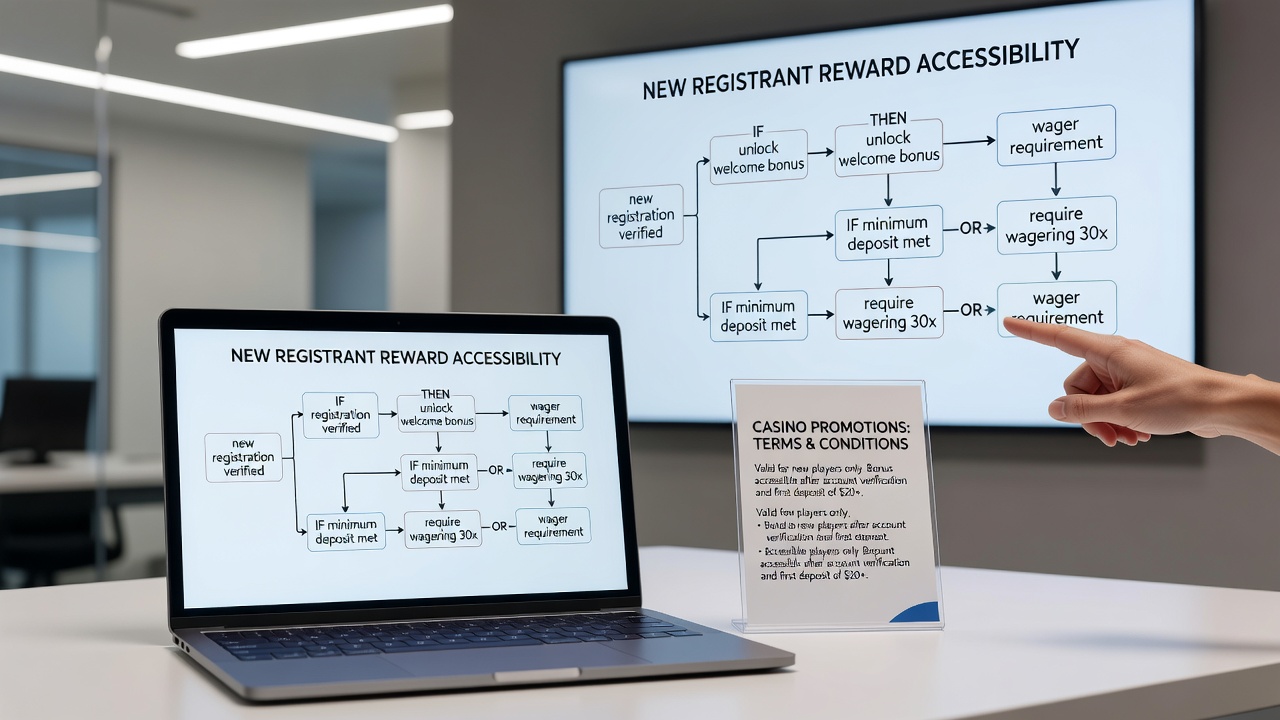
Eligibility trees map the sequence of conditions new registrants must navigate, and these pathways branch at points such as deposit confirmation, document upload, and game selection. One study from the Australian Gambling Research Centre found that platforms using automated decision engines reduced processing delays by routing verified accounts directly to bonus crediting, while manual reviews extended timelines by several business days. Geographic filters operated at the registration stage, blocking users from certain countries before promotional offers even appeared.
Stacking rules determined whether multiple bonuses could combine, and many operators enforced clauses that prevented simultaneous activation of welcome packages with ongoing reload offers. Data indicates that violations of these stacking conditions resulted in forfeiture of all affected rewards, regardless of prior progress toward individual wagering targets. Observers have tracked how these interconnected rules create cumulative barriers that new registrants must clear in sequence rather than in parallel.
Verification Synchronization and Accessibility Outcomes
Verification checkpoints frequently align with reward release stages, and platforms require successful identity confirmation before allowing withdrawal of any winnings derived from conditional bonuses. Research indicates that mismatches between submitted documents and registration data trigger additional review cycles that can span one to two weeks. In markets with real-time verification partnerships, the process completes within hours for most registrants who provide clear documentation on the first attempt.
Operators in different regions have adopted varying approaches to these synchronization points, and some allow partial access to bonus funds after initial verification while holding larger amounts until full compliance. Figures from regulatory summaries reveal that platforms with streamlined verification flows report higher completion rates for promotional conditions among new registrants compared with those requiring multiple document resubmissions.
Conclusion
Conditional clauses continue to define reward accessibility for new casino registrants through layered requirements that span wagering, verification, timing, and geographic factors. Patterns observed through 2026 show operators refining how these provisions integrate into registration and activation processes, while external data sources track resulting changes in player completion rates. Those who study these systems note that clarity in clause presentation remains a key variable influencing whether registrants successfully navigate the full eligibility sequence.